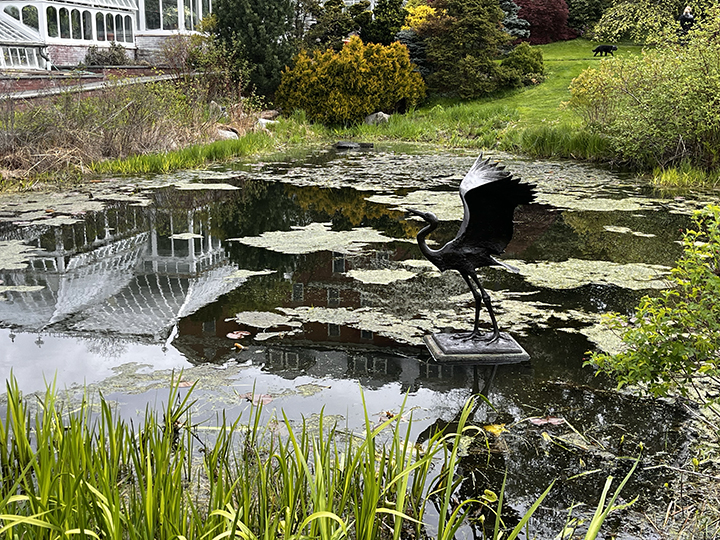
Composing Color: Paintings by Alma Thomas from the Smithsonian American Art Museum
Alma Thomas (1891–1978) is a singular figure in twentieth-century American art. After retiring from a long career as a schoolteacher, she developed a distinctive form of abstraction defined by bold patterns, rhythmic composition, and radiant color. Inspired by nature, the cosmos, and music, Thomas created vibrant paintings that transcended established categories, drawing on elements of gestural abstraction and color field painting while forging a style entirely her own.

Painting Nature: 19th-century American and French Landscapes
Painting Nature: 19th-century American and French Landscapes brings together a group of paintings from three influential 19th-century movements: the Hudson River School, the Barbizon School, and French Impressionism. Though each developed independently, all shared a deep engagement with nature at a time of rapid industrialization and urban growth.

Crafting Worlds: Japanese Decorative Arts from the 18th through 21st Centuries
Crafts are functional objects creatively made by skillful artisans using specialized knowledge and techniques. As our world increasingly embraces modes of making that are ever more detached from the human hand and mind, what is the significance of making crafts?

Coco Fusco: The Empty Plaza/La Plaza Vacía
Coco Fusco’s The Empty Plaza/La Plaza Vacía (2012) layers sound and image as a way to reflect on Havana’s Plaza de la Revolución and its shifting meaning in Cuban public life. Combining contemporary footage with archival recordings, still photography, and poetic narration by Cuban journalist Yoani Sánchez, Fusco traces the plaza’s transformation from a symbol of revolutionary optimism to a site associated with surveillance, repression, and unfulfilled promises.
On view in the New Media Gallery on the Lower Level.
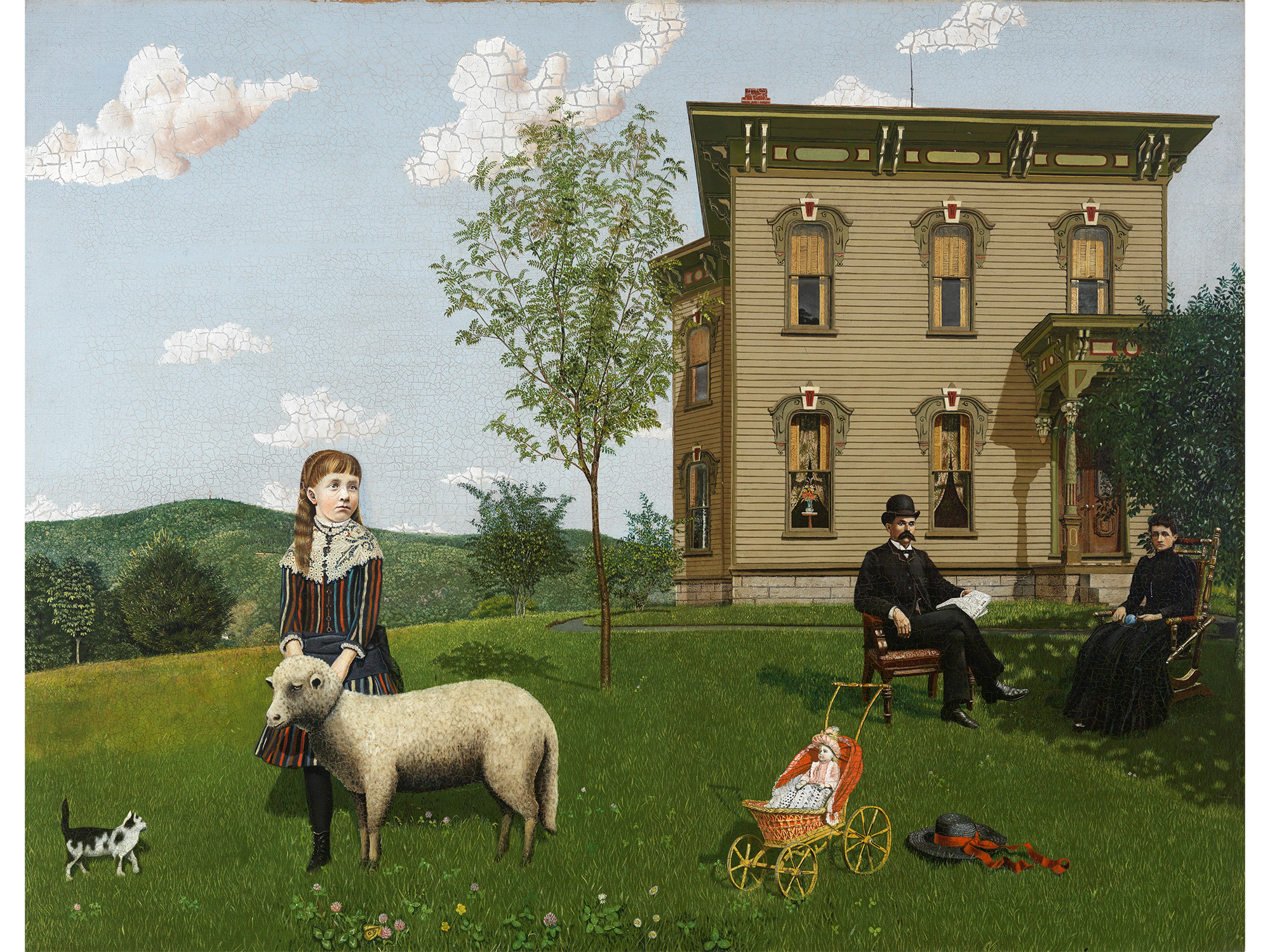
Worlds in Process: Art from the SCMA Collection
This project, called Worlds in Process: Art from the SCMA Collection, pilots new strategies for displaying the collection.
The installation includes artworks from a range of time periods, cultures, materials, and perspectives alongside places to gather and reflect. When a group of museum staff set out to reimagine this floor, we wanted to try some new approaches, which included deepening our understanding of what visitors (especially Smith College students) find most meaningful and welcoming.

The Ancient World Gallery