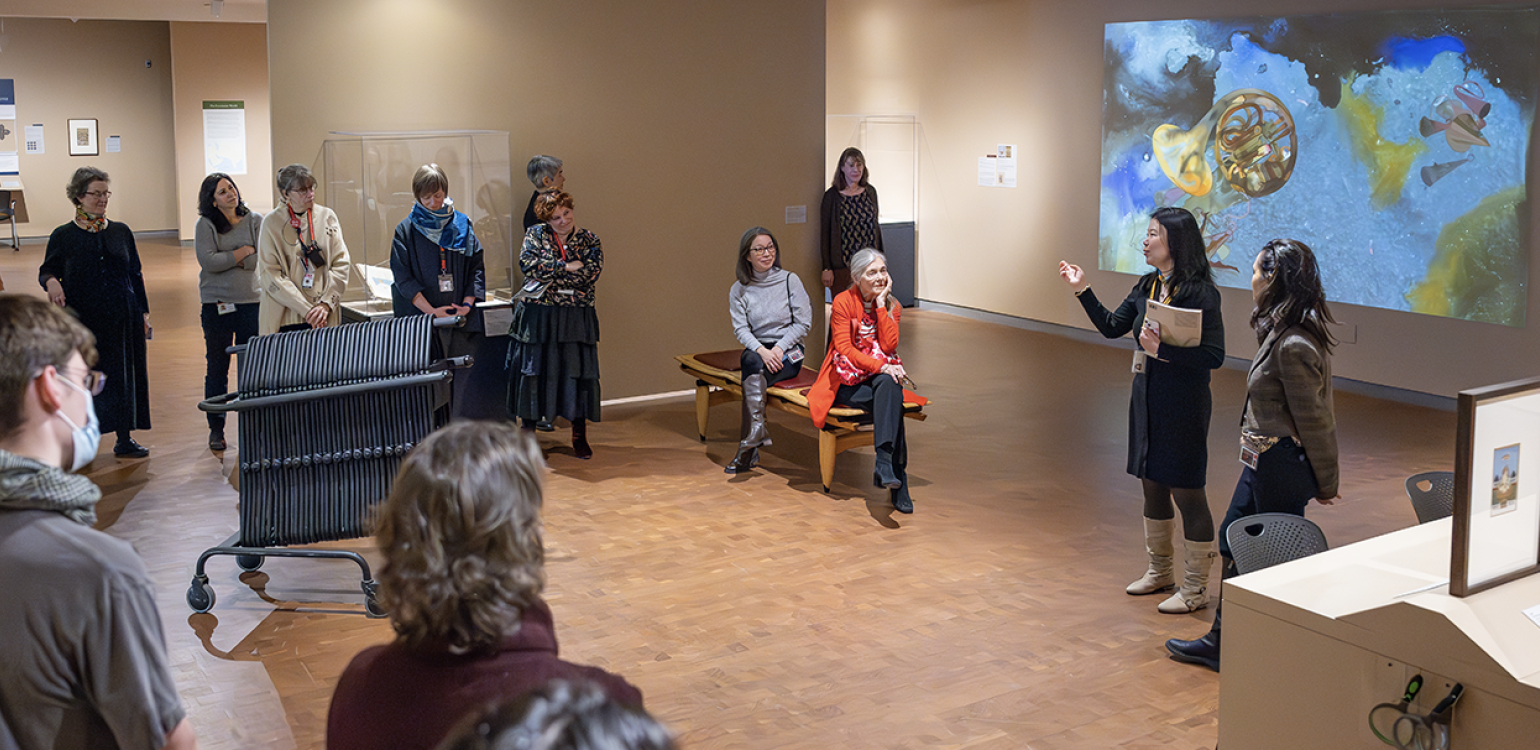
connecting people to art
Curatorial and Collection Development
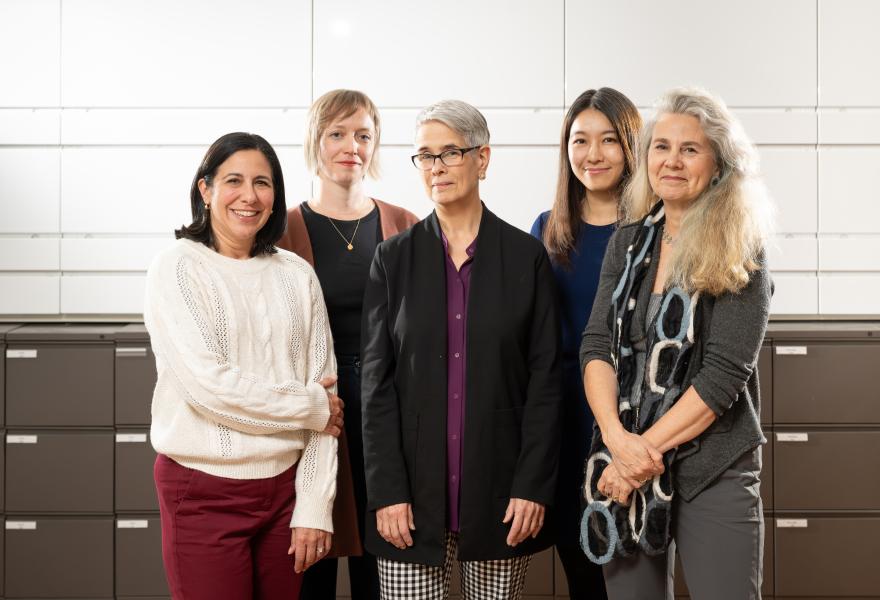
Smith College Museum of Art is widely acknowledged among the country’s leading teaching museums, with one of the strongest collections of any undergraduate liberal arts college in the nation.Over the last decade, SCMA has been thoughtfully expanding our curatorial department and working collaboratively to develop the collection in ways that reflect the full spectrum of creative voices across history. Today, we have an integrated team with overlapping specialties in different cultures, time periods and media: Jessica Nicoll, Director and Louise Ines Doyle ’34 Chief Curator; Aprile Gallant, Mary Walcott Keyes 1931 Curator of Prints, Drawings and Photographs and Associate Director of Curatorial Affairs; Danielle Carrabino, Curator of Painting and Sculpture; Emma Chubb, Charlotte Feng Ford ’83 Curator of Contemporary Art; Henriette Kets de Vries, Cunningham Center Manager and Associate Curator of Prints, Drawings and Photographs; and Clara Cho Wun Ma, Jane Chace Carroll Associate Curator of Asian Art. It is of utmost importance to us that all people see themselves represented here; that weare telling not just one story, but many. This is reflected in a number of exciting recent acquisitions, from targeted individual purchases to donations from collectors. Their generosity and partnership has helped us make great progress in developing new areas of the collection while also allowing us to build depth and breadth in areas of historical strength.
VOICES

SAMUEL C. MORSE
Professor of the History of Art and Asian Languages and Civilizations, Amherst College
Sharing a bowl of matcha surrounded by carefully selected objects has an important place in Japanese culture. The practice of chanoyu (“hot water for tea” in Japan and often somewhat mistakenly called “the tea ceremony” in the West) began in the 15th century, was refined in the 16th century by Sen no Rikyū (1522–1591) and maintains its popularity to the present day. Among those who prepared matcha in the past and continue to do so today, only a few are known as a Chajin—a person known for deep insights into the objects and practices of chanoyu. Richard Danziger was one such person, as is Peggy Block Danziger ’62.
The Danzigers’ encounter with chanoyu began in the 1970s. Over the following 50 years they
assembled a superb collection of the various objects essential to chanoyu, from tea bowls and hanging scrolls to incense containers and the feathers used to sweep the hearth.
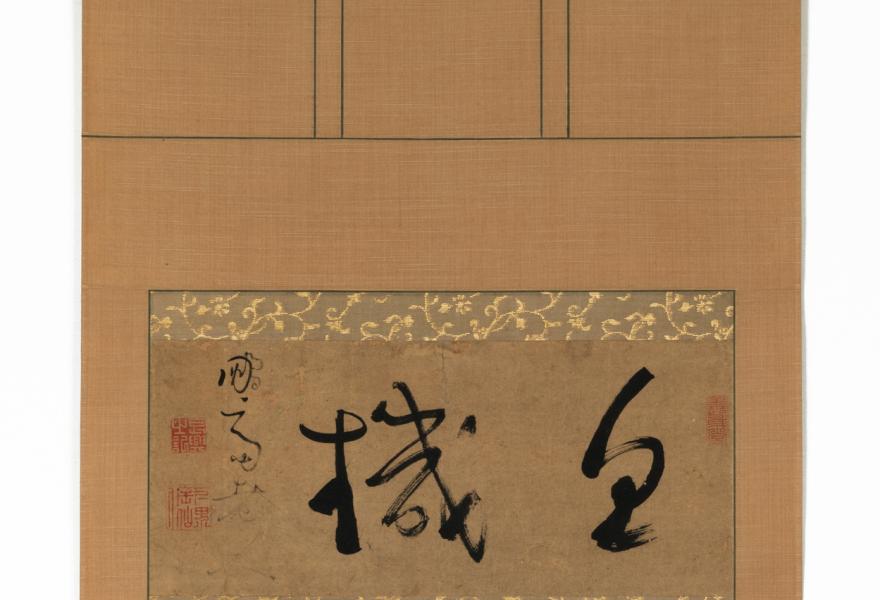
In 2007, objects from the Danzigers’ collection formed the core of SCMA’s exhibition Fashioning Tradition—Japanese Tea Wares from the 16th and 17th Centuries. Many were subsequently given to the museum. Last year the Danzigers added seven hanging scrolls to the collection—one ink landscape, two ink figure paintings and four calligraphies. A hanging scroll generally sets the tone for chanoyu. The poem by Tonna Hōshi (1289–1372), makes reference to kerria flowers and the passing of seasons and would be appropriate for spring. The hand-drawn circle (ensō) by Sōgan Soi (1588–1661), draws on powerful Buddhist themes of enlightenment and emptiness and might establish a mood of self-reflection.
True Chajin are also known for their aesthetic discernment and ability to make unexpected arrangements of objects. Dick Danziger would have been equally delighted to place a lithograph from Hiroshi Sugimoto (born 1948) and his late 20th-century series Time Exposed with a 17th-century Oribe ware tea bowl. These new gifts thus not only expand the museum’s collection of Japanese and contemporary art but also offer insight into the sensibilities of two collectors whose tastes have been refined by the practice of chanoyu.