SCMAinsider
SCMAinsider offers dynamic perspectives on the diverse collections and visions that shape the
Smith College Museum of Art.
We welcome contributions from all members of our community and seek to cultivate a range of
voices and experiences. If you want to contribute to the blog, please contact us at scmacuratorial@smith.edu.
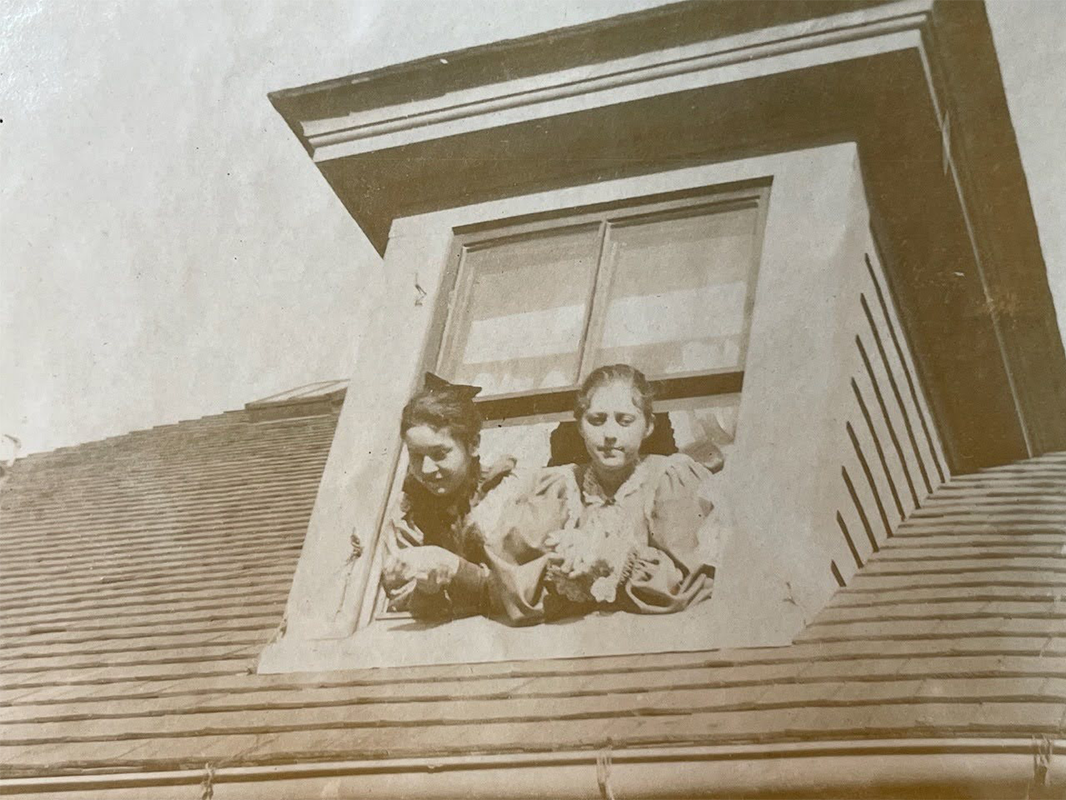
The Wing Sisters, Part III: The Wing Collection
Meredith Clowse ‘26 is an Art History Major and an Archives Concentrator at Smith.
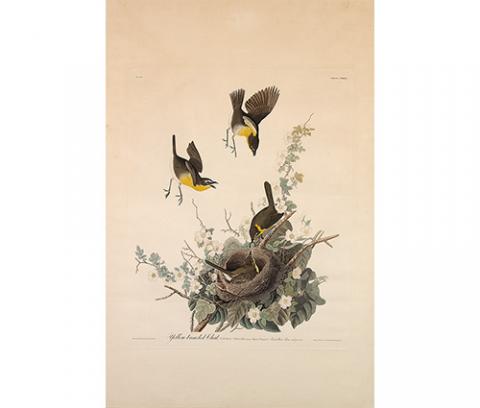
STUDENT PICKS | The Dichotomy of Nature: How Artists Portray the Environment
The famous naturalist, John Muir is credited with saying: “In every walk with nature one receives far more than he seeks.” This show explores two dramatically different depictions of nature with the hopes that you, the viewer will find more walking through this show than you were seeking.
The 2018-2019 Student Picks Lottery Is Now Open!
Enter by September 21st for a chance to curate your own pop-up art show in the Cunningham Center for Prints, Drawings and Photographs. Student Picks exhibitions take place on the last Thursday of every month from 4-8pm as part of SCMA's Thursday evening student programming.
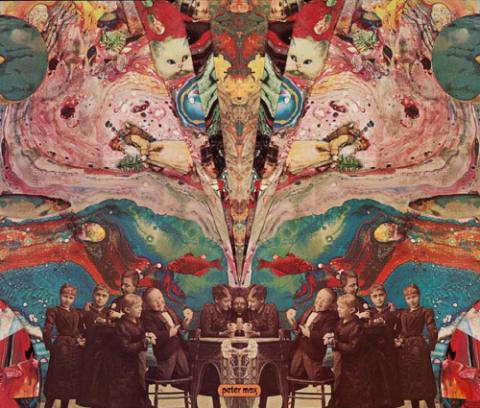
Hijacked Art, Continued.
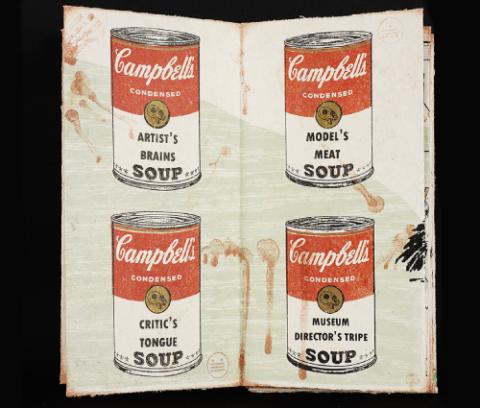
Anyone can parody a work; these artists truly transform their inspirations, often turning them into activist symbols.
Your Move: Kay Sage's Surrealist Assemblages
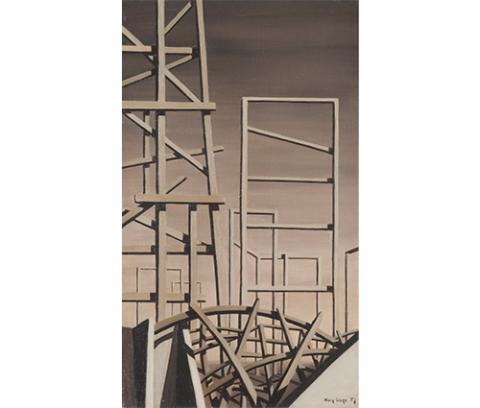
In the late 1930s and early 1940s Kay Sage developed a personal Surrealist style based on mysterious architectural forms in somber-colored settings. Although the forms are painted realistically, they convey an impression or feeling rather than actual objects.
Toulouse-Lautrec and Parisian Nightlife
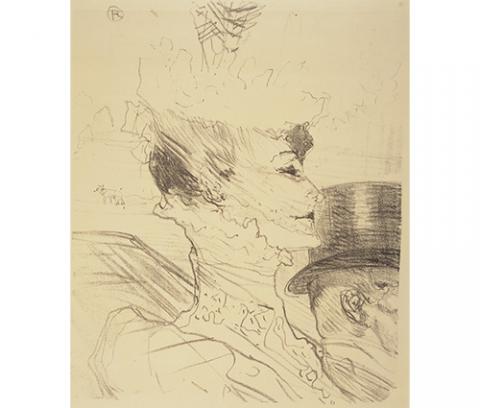
Born to a wealthy, artistically inclined family in 1864, Toulouse-Lautrec is known for his vibrant, theatrical depictions of turn of the century Parisian life and the characters that made it so vivid. Many of these characters were the singers and dancers of nightclubs such as the Moulin Rouge.
TALK BACK | Dania González and Ana Mendieta
I have always wanted my body to feel at home with itself, but it never quite has. Were there other people who felt the same way? If not, where was that place for them? The question is nostalgic, causing the viewer to simultaneously recall home and acknowledge that they are not there. I wanted people to feel at once present and displaced.
STUDENT PICKS | Abstractions in No Man’s Land: A Future Without Us
Whether explicit or symbolic, these works provide the opportunity to consider a world without us, how some populations are already being erased by our ways of life, and our current relationships to the land.
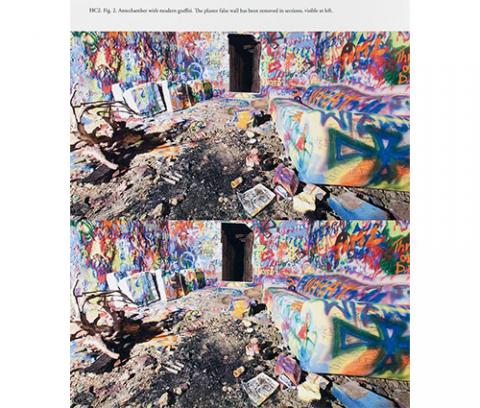
The Grecian Bend | 体 Modern Images of the Body from East Asia
From the Western standpoint, his photographs were unfiltered, realistic depictions of “the Orient.” As an anthropology major, I am fascinated with how Beato’s photographs embody this cross cultural exchange and set a precedent for how the West viewed the East.
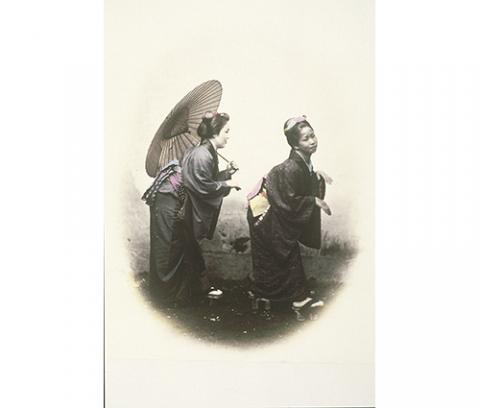
Flickers and Blinks: Confronting the Weight of Movement
Our movement merits contemplation. Begs it as a sign of warning or even impulse. Reading the viewers' responses I saw this again, and I saw it anew. Even while moving we are always in a position to heal, love, and acknowledge. Remembering this, especially as a product of the diaspora, carrier of colonial freight, as a person of color, is not only empowering - it is redemptive.
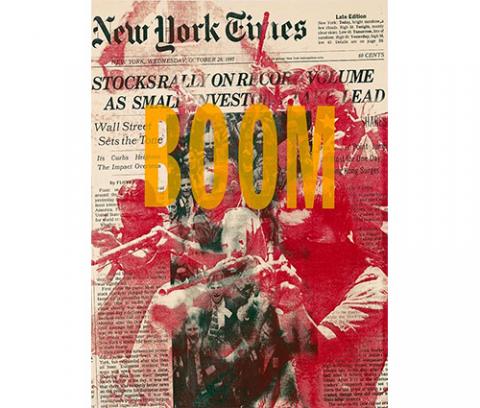
STUDENT PICKS | Hijacked Art
The contemporary artists in this show have interpreted the work of deceased artists who cannot condemn or laud the appropriation of their work. Together, these prints show how artists can reference these masterworks while acknowledging the systems of oppression they are tied to.

Remembering Patrick Nagatani
A nationally respected photographer with work held in museums across the country, Nagatani’s work dealt with themes of science, nuclear power, Japanese-American history, and New Mexican culture. He represented and explored these themes through otherworldly images, saturated prints and flat collages that were magical and sometimes unnerving.
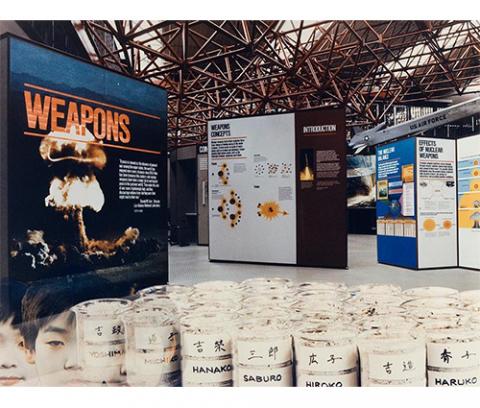
STUDENT PICKS | Flickers and Blinks: Confronting the Weight of Movement
Movement is a point of change. When we move - in abstract or tangible ways, voluntary or forced - we engage with the changing of place, time, people, and culture.