Members Double Discount Days

Times vary by day, see below
Show your current SCMA Membership Card to receive a 20% discount on ALL of your Museum Shop purchases, onsite + online. Join or renew today to get your discount. Discounts available online and in the Shop.
 
Please note special Museum Shop Hours for this event:
  • Thursday, Nov 14: 11–6
  • Friday, Nov 15: 11–4
  • Saturday, Nov 16: 11–4
  • Sunday, Nov 17: 12–4
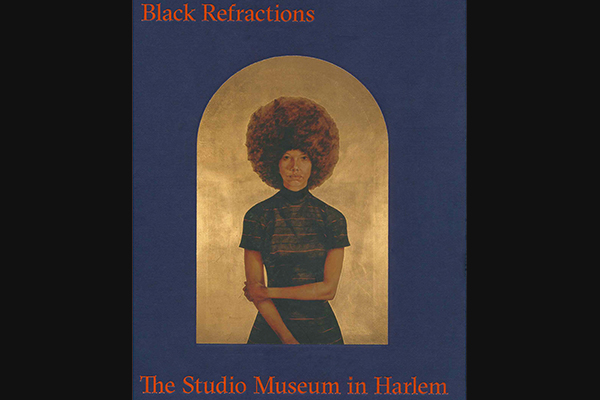
Black Refractions exhibition book cover

Free Opening Weekend for Black Refractions

We will be celebrating the opening weekend of Black Refractions: Highlights from The Studio Museum in Harlem by offering free admission all weekend, January 17–19, 2020.

The opening weekend will also feature our annual Free Community Day on January 18 (details below)

Black Refractions: Highlights from The Studio Museum in Harlem will be on view at SCMA from January 17–April 12, 2020

SCMAinsider

SCMAinsider offers dynamic perspectives on the diverse collections and visions that shape the
Smith College Museum of Art.

We welcome contributions from all members of our community and seek to cultivate a range of
voices and experiences. If you want to contribute to the blog, please contact us at scmacuratorial@smith.edu.

About

SCMA is recognized as a leading academic museum, contributing meaningfully to Smith College’s mission to educate women of promise for lives of distinction and purpose. We welcome about 35,000 visitors a year, including Five College students, staff and faculty, and visitors from the region and around the world. The museum’s collection now comprises more than 29,000 objects, representing the diversity of art and material culture across periods and geographies.

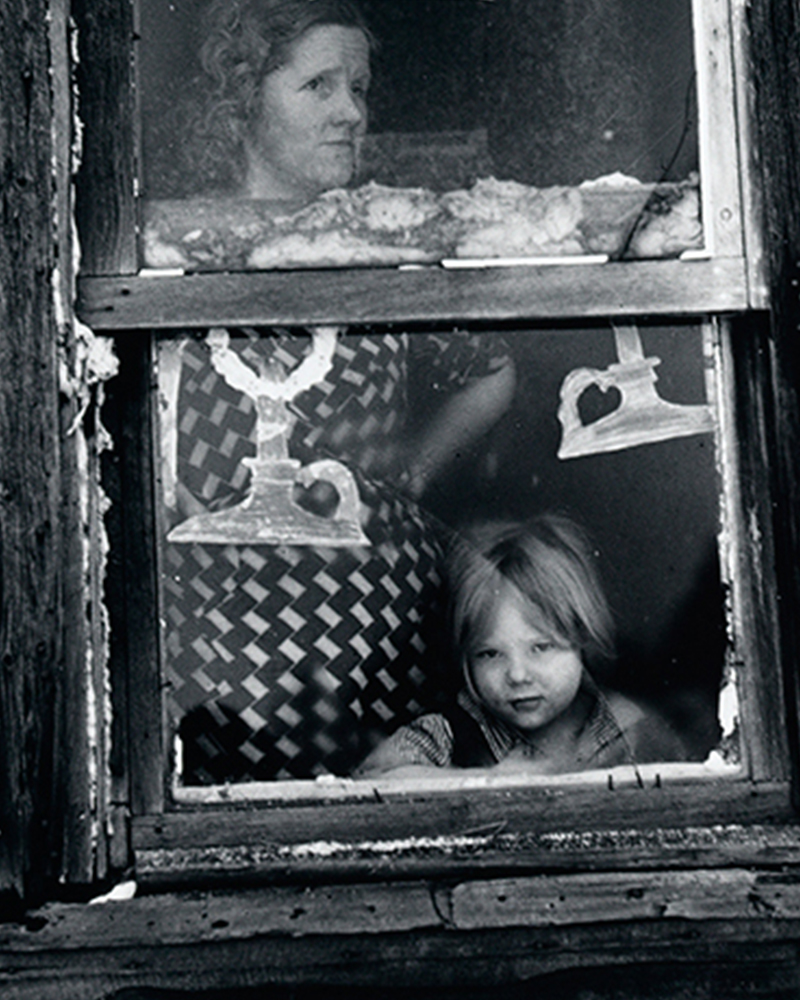
Arthur Rothstein, American,1915-1985, Wife and Child of Submarginal Farmer at Their Window  Decorated for Christmas 1937

A Dust Bowl of Dog Soup: Picturing the Great Depression

November 19, 2019–May 24, 2020

In 1935, in the midst of the Great Depression, President Roosevelt needed to generate enthusiasm for his New Deal. The challenge was to find support for investments into programs and services directed primarily to the recovery of rural America, which most city folk had not experienced firsthand. Roosevelt’s conversational and intimate fireside radio chats brought him into people’s homes. His straight talk promised hope and comfort to an ailing nation and highlighted what the government was doing to remedy the country’s ills. 

TOP